IT Band Syndrome Physiotherapy in Kitsilano, Vancouver
Treatment for pain on the outside of the knee that starts at a similar point in a run, often on downhills or longer distances.
Clinically reviewed by Charles Sutton, Registered Physiotherapist, November 2026
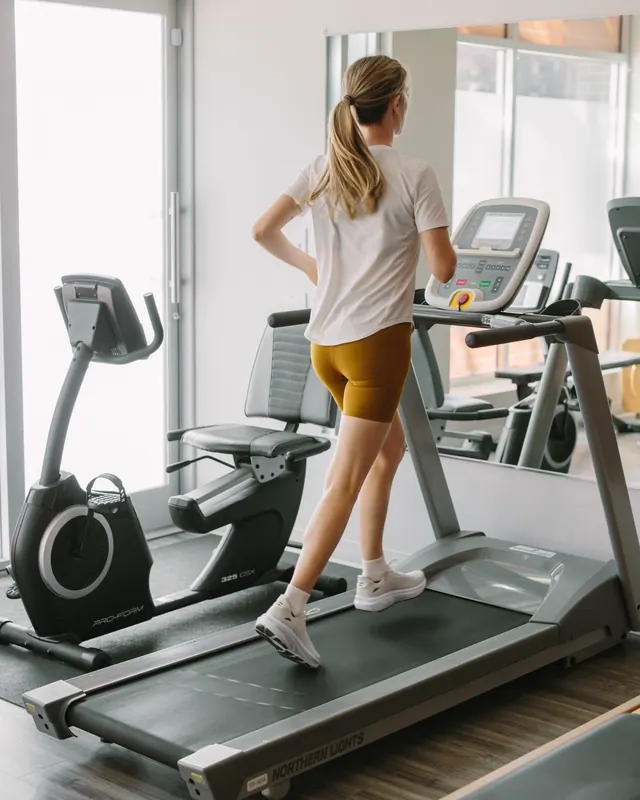
What IT band physiotherapy involves
IT band syndrome, or iliotibial band syndrome, is pain on the outside of the knee that tends to start at a similar point in a run. The iliotibial band is a thick strip of tissue down the outside of the thigh. Current thinking is that the pain comes from irritation of the tissue beneath the band near the knee, rather than from the band being tight, though the exact source is still debated. We check whether the pattern fits, look for what else could cause pain there, and plan your loading and treatment around what we find.
Checking the source
Outer knee pain has several possible causes. We check them so the plan fits what is happening.
Hip and lower limb strength
We test strength through your hips and lower limbs. Your hip muscles help steady the thigh as you land on one leg. We'll check your strength and control, then choose exercises that fit the running you want to get back to.
Progressive strengthening
We find a starting point your knee tolerates, then build hip and leg strength in steps, with hands on treatment to ease pain along the way, and adjust the distance or downhill running that brings it on.
Training, routes and footwear
We go through your training, routes, descents and footwear to see which are part of the picture, and which to adjust first.
Foam rolling, in perspective
It may feel good, but evidence that it changes the IT band itself is weak. It can sit alongside rehab, not replace it.
Running analysis
How you run can contribute to this kind of injury. Where it's relevant, we film your running, look at your gait, and talk through whether what we see is linked to your injury and what to change.
Common reasons people come in
Pain at the same point each run
Outer knee pain that starts after a similar distance or time on every run.
Pain on downhills
Discomfort on the outside of the knee that appears or sharpens on descents.
After a jump in training
Pain that follows a new race block, a longer long run or more hill work.
Coming back after a break
Outer knee pain returning when you build up again after time off.
Questions about IT band syndrome
Why does the outside of my knee start hurting at about the same point in a run?
A steady pattern like this often points to irritation that builds with repeated knee bending under load. Many runners notice it after a similar distance or time, or on downhills. The pain usually eases soon after you stop and returns at about the same point on the next run. That is a useful clue, but it doesn't confirm IT band syndrome on its own.
What else can cause pain there, and what would a physiotherapist check?
The outside of the knee can also hurt from the outer meniscus, the outer ligament, tendons at the back outer corner of the knee, the joint itself, or pain referred from the hip or lower back. If your knee gets stuck after an injury and you can't straighten it, see a doctor or go to urgent care the same day. If your knee repeatedly catches, gives way or swells, stop running and book a physiotherapy appointment with us. We'll assess it and point you to your doctor if needed. A physiotherapist checks where it is tender, how the knee and hip move, how strong your hips and lower limbs are, and whether bending the knee under load brings the pain on. We also ask when it started and what changed in your training.
Should I change my route, downhill running or run length first?
Change whichever one you can adjust most easily and that most reliably brings the pain on. For many runners that means less downhill or shorter runs, so you finish before the usual point. If descents bring on the pain, try a flatter route first. If it starts after a predictable distance, shorten the run so you finish comfortably. Change one thing at a time. Stopping before the pain starts, then adding back gradually, tends to work better than running through it. Notice when the pain starts as well as how the knee feels afterwards. If it starts earlier on each run, shorten the route or reduce the descents, even if you feel fine the next morning. The order that suits you depends on your triggers.
Does foam rolling help, and what else might my rehab involve?
If rolling feels comfortable, you can use it. There is little evidence that it lengthens the band, which is a dense structure that doesn't lengthen much under pressure. Rehab usually centres on progressive strengthening of the hips and lower limbs, along with adjusting your running load. Where it's relevant, it includes a look at how you run. Massage can be a helpful complement to your rehab, and our registered massage therapists work alongside our physiotherapists.
How do I reintroduce descents and longer runs without guessing at the right amount?
Start from a run length and terrain that are comfortably pain free. Add a little distance or a short descent, one change at a time, and see whether the familiar pain starts earlier, later or stays away. If it starts earlier, go back to the last level that felt fine. A physiotherapist can help set your starting point and the size of each step.
When to get medical help
Go to an emergency department right away if your knee quickly becomes hot, swollen and very painful to move, even without a fever, or if you can't put weight on the leg after an injury or fall.
See a doctor today for new pain or swelling in one calf that you can't explain, especially if it feels warm or tender. Call 911 for sudden shortness of breath, chest pain or coughing up blood.
See a doctor or go to urgent care the same day if your knee gets stuck after an injury and you can't straighten it. Stop running and book a physiotherapy appointment with us right away if your knee repeatedly catches, gives way or swells, or if the pain wakes you at night or keeps getting worse despite cutting back. We'll assess it, and if we think you need imaging or a doctor's input, we'll point you to your doctor and share our findings with them.
Not sure if it's urgent? Call HealthLink BC at 8-1-1 to speak with a nurse, day or night.
Who you'll see: one of our physiotherapists, in a one-on-one physiotherapy appointment. We bill this visit as physiotherapy, and most, if not all, extended health plans cover at least some physiotherapy. We direct bill most major insurers.
Which appointment fits: A regular physiotherapy visit fits best if you can't run yet, or if the first job is working out what is hurting. A running assessment fits when your running mechanics or training need a closer look. It runs 60 minutes, costs $185, and is with Charles or Al. It adds slow motion video filmed from the side and behind on your own phone, strength and movement testing, and a training and footwear review.
Often connected to: knee pain, runner's knee and hip pain. Related services: Sports Injury Physiotherapy, Kinesiology and Massage Therapy.
Book an assessment
Choose your appointment and book online. What to expect at your first visit
Book now